
Knob and Tube Wiring Replacement: Risks, Cost, and Solutions
You finally close on a gorgeous, historic home. The original hardwood floors are stunning, the trim is incredible, and the neighborhood is perfect.
Summary: Knob-and-tube wiring, commonly found in homes built between the late 1800s and 1940s, poses significant safety risks due to deteriorating insulation, lack of grounding, overheating beneath modern attic insulation, and increased electrical demands from contemporary appliances. This outdated wiring can increase fire and electric shock risks while creating difficulties obtaining homeowners insurance, selling a property, or securing mortgage approval. As a broad planning range, replacing it often costs $5,000–$15,000 for a 1,500-square-foot home, depending on its layout and accessibility, and should be completed by a licensed electrician who can minimize wall damage, upgrade outlets and electrical panels, and see the work through final municipal inspection.
You finally close on a gorgeous, historic home. The original hardwood floors are stunning, the trim is incredible, and the neighborhood is perfect. Then, the home inspector shines a flashlight up into the unfinished attic and spots thick, black cords strung through white ceramic spools. Suddenly, all that vintage charm feels like a massive financial and safety liability.
Homeowners usually never think about what hides behind their plaster walls until an inspector flags it or worse, their insurance agent sends a letter threatening to cancel their policy. Finding out you need an old electrical wiring replacement is incredibly stressful. It feels overwhelming, and frankly, it sounds expensive.
But ignoring it is a gamble you cannot afford to take. A system that functioned perfectly well in the 1930s simply cannot handle the sheer electrical demand of a modern family. If you recently bought an older property, are planning renovations, or just noticed your lights constantly flickering, booking a home electrical inspection is the smartest first move you can make to see exactly what you are dealing with. Let's break down exactly why this old setup is so dangerous today, what it takes to remove it, and how to get your house up to modern safety standards.
What is Knob and Tube (K&T) Wiring?
A Brief History of Vintage Wiring
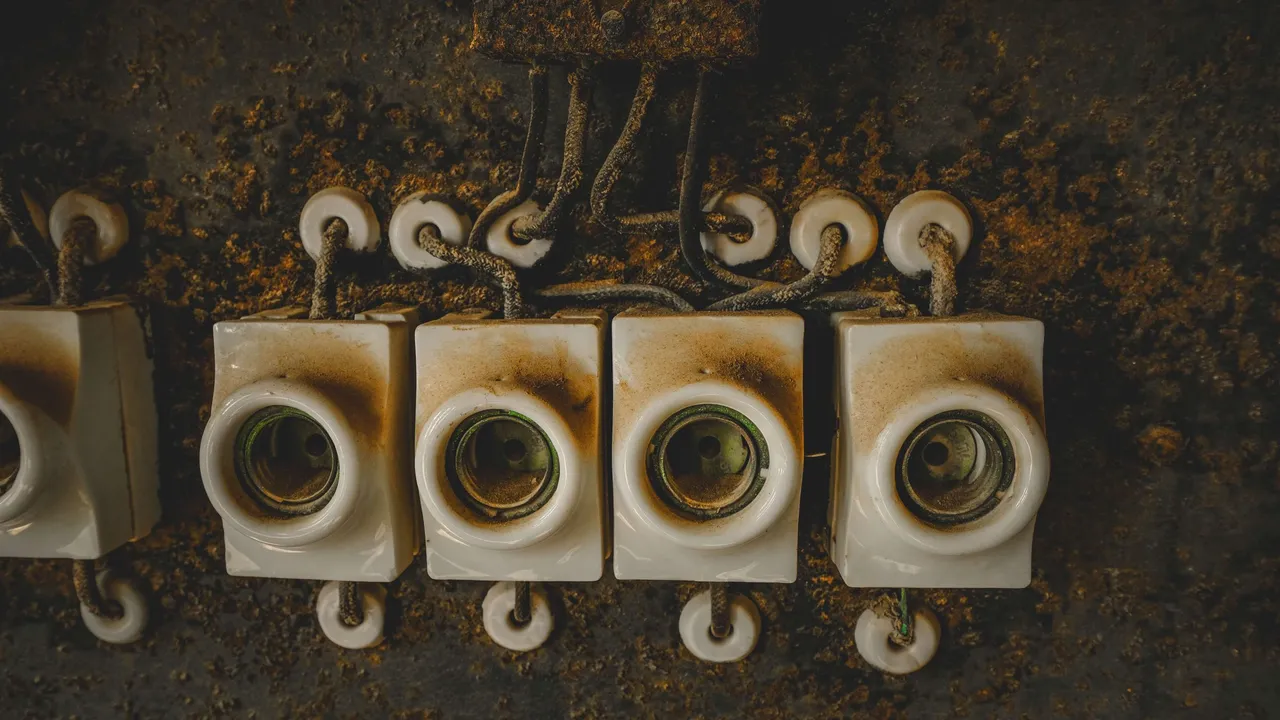
Back in the late 1800s and up through the 1940s, knob and tube was the gold standard for residential electricity. Tradesmen didn't have the modern, all-in-one plastic sheathed cables we use today. Instead, they ran single copper conductors individually right through the open wall cavities.
They anchored these live lines to the wooden house framing using porcelain ceramic knobs. When a wire had to pass through a wooden floor joist or a wall stud, the electrician drilled a hole and inserted a hollow porcelain tube to prevent the wire from rubbing against the raw wood.
It actually worked incredibly well for the era. By keeping the hot wire and the neutral wire separated by several inches, the surrounding air inside the empty walls kept the copper cool.
How to Identify K&T Wiring in Your Home
You don't need to tear down drywall to find out if your house has this system. Grab a strong flashlight and head down to your unfinished basement, or pop your head up into the attic floorboards.
Look up at the wooden joists. You are searching for cylindrical white ceramic knobs screwed directly into the timber. You will likely see dull, black, cloth-covered cables strung tightly between them.
Whatever you do, keep your hands off. That outer cloth braid is usually baked dry from decades of summer attic heat. Shaking or pulling on those live lines is a fast way to knock off the remaining insulation and spark a short circuit.
The Hidden Dangers: Why is Knob and Tube Wiring a Risk?
If you ask a contractor about outdated electrical wiring, they will usually give you a long list of reasons why it needs to go. But it really boils down to four major hazards that put your property at risk every single day.
The Lack of a Grounding Conductor
Vintage circuits only give electricity two paths to travel: a hot wire bringing the power in, and a neutral wire carrying it back out. There is absolutely no third grounding wire.
Modern flat-screen televisions, expensive laptops, and smart refrigerators need that third prong. The equipment ground gives fault current a low-resistance path back to the panel, which helps trip the breaker or fuse if a hot wire touches a metal case. Without a ground path, a fault can leave that metal energized, which significantly increases the risk of someone in your home getting a severe electric shock. GFCI protection is a separate safety device that cuts power when it senses current leaking where it should not.
Insulation Deterioration Over Time
Original K&T lines relied on a thick wrapping of rubberized cotton or woven cloth. After eighty or ninety years of baking in a hot, dry attic, that rubber turns into brittle, stiff flakes.
Rodents love to chew on it. The natural vibrations of your house from heavy foot traffic or slamming doors knock it loose. Eventually, that cloth completely rots away. You are left with entirely bare, energized copper wires resting directly on old, dry wooden lath and floor joists.
The Thermal Insulation Fire Hazard
Here is the biggest, most immediate threat to your home. Vintage setups depend completely on open airspace to bleed off heat.
Over the years, homeowners understandably want to save on winter heating bills. So, they hire a crew to blow fiberglass or cellulose insulation over the ceiling joists in the attic. Without realizing it, they bury those old wires deep under a heavy blanket of insulation. Trapping that heat can make the wire overheat and degrade its insulation. It increases fire risk and is a direct violation of the electrical code New Jersey has adopted.
Overloading from Modern Appliances
Think about how people lived in 1935. A family might run a living room radio, a vacuum cleaner, and a handful of low-wattage lightbulbs.
Today, we plug in microwaves, space heaters, window air conditioning units, heavy-duty hair dryers, and electric vehicle chargers. Pulling that much modern amperage through century-old copper can overheat the wire. For a modern family, replacing these old circuits is often the safest path.
Insurance and Real Estate Implications
Can You Get Homeowners Insurance with K&T?
Honestly, getting a policy can be tough. Many insurers will refuse to write a policy on homes with active K&T because they see the risk of a house fire as too high.
Carriers that are willing to take a chance on your property may charge higher premiums or require you to replace the wiring within a set time.
Selling or Buying an Older Home
Active K&T can be a dealbreaker in real estate. Appraisers and inspectors often flag it, and some lenders require the hazard to be removed before they will fund the buyer's loan.
If you are trying to sell your house, buyers will use the impending house rewiring cost as leverage to demand a huge price drop at the negotiation table.
How Much Does Knob and Tube Wiring Replacement Cost?
Average Cost Breakdown for 2026
As a broad planning range, for an average 1,500-square-foot residential house, a typical knob and tube replacement cost falls anywhere between $5,000 and $15,000.
Factors That Impact Your Total Price
Every historic home is unique, and your final bill will depend on a few major variables:
- House size and layout: A sprawling two-story home requires much longer cable runs than a single-story ranch.
- Wall construction: Cutting into heavy plaster and wooden lath takes way more time, effort, and care than cutting into modern drywall.
- Attic and crawlspace access: If your attic is incredibly tight or you don't have a basement, electricians have to make more access cuts in your walls to route the new cables.
- Panel capacity: Most homes built in the 1920s still run on obsolete 60-amp fuse boxes. Moving up to modern power demands usually requires an electrical panel upgrade to a standard 200-amp breaker box.
The Replacement Process: What to Expect from Your Electrician
You might be picturing contractors taking sledgehammers to your beautiful historic walls, but a professional crew uses finesse, not force. Here is how the process actually works.
Step 1: Comprehensive Electrical Audit
We don't just start ripping things out. First, we spend time mapping your home's circuitry. We trace every line to figure out which runs are still active vintage wires, and which ones were previously updated by past owners. We plan the least invasive routes for the new cables.
Step 2: The Rewiring Phase
A good crew protects your home. Expect heavy drop cloths and small, strategic access slots near the baseboards or behind where furniture normally sits. Using highly flexible fiberglass rods and fish tapes, electricians snake modern Romex cable through the hollow wall cavities, keeping plaster damage to a minimum.
Step 3: Upgrading Receptacles and Panels
Once the new lines are pulled through the walls, we bring them back to the main breaker box. We swap out all those loose, old two-prong outlets for modern grounded receptacles. We also install ground fault circuit interrupters (GFCIs) in wet areas like your kitchen, bathrooms, and laundry room, and arc fault circuit interrupters (AFCIs) where the electrical code New Jersey has adopted calls for them.
Step 4: Final Inspection and Approval
When the dirty work is done, the local municipal inspector comes out for the final inspection. They check the panel connections, test the grounds, and give the work final municipal approval, which you can share with your insurance agent.
Why Trust Sperry Electric LLC for Your Historic Home Rewiring?
Updating historic architecture takes a lot of patience, respect, and specialized tradecraft. At Sperry Electric LLC, our licensed electricians replace old wiring in older homes, and we clean up the workspace properly when we're finished. Whoever you hire, ask how they plan to protect your original plaster and custom wood moldings.
We provide transparent, upfront pricing, so you know what you'll pay before work begins.
Frequently Asked Questions
Does knob and tube wiring NEED to be replaced?
Not always, but often. Active knob and tube becomes urgent when it is deteriorated, modified, buried in insulation, blocking your insurance or financing, or about to be disturbed by a renovation. With zero grounding protection, have a licensed electrician evaluate it either way.
How long does a whole-house rewire take?
Most single-family homes take several days to a few weeks. It really depends on your square footage and how easily the crew can move through your attic and wall spaces.
Can you leave inactive knob and tube wiring in the walls?
Yes. Once we completely disconnect the dead lines from the power source and verify with a meter that there is zero voltage, they can often be safely abandoned inside the wall cavities.
What is the average electrical rewiring cost per square foot?
As a broad planning range, homeowners usually spend about $4 to $10 per square foot. Multi-story homes or those with difficult plaster walls lean toward the higher end of that range.
Will electricians punch huge holes in my plaster walls?
Experienced crews generally won't. They use specialized fish tapes and snake wires through small, easily patchable access holes to help preserve your historic walls.
Can I replace old wiring myself?
For most homeowners, no. Whole-house rewiring is not a DIY job. In New Jersey, permit and inspection rules still apply, and condos, multi-family buildings, rentals, and hired work generally need the proper licensed professional. Ripping out electrical systems in an occupied home is highly dangerous to attempt yourself.
Why is insulation dangerous over vintage wiring?
This old system uses the surrounding air to shed ambient heat. If you dump blown cellulose or fiberglass insulation on top of it, you trap that warmth and literally turn the copper wire into a heating element.
Does outdated electrical wiring carry a ground path?
No. It only runs a hot line and a neutral line. That leaves metal-cased appliances and electronics without the fault path a ground wire provides.
Will lenders block a loan over knob and tube?
Sometimes. Appraisers and inspectors often flag it, and some lenders require a full replacement by a licensed professional before they will approve the final closing paperwork.
How do I confirm if my old wiring is still alive?
Never guess based on how a wire looks. Dead and live lines look identical. Have a licensed professional test the conductors with a multimeter to see if electricity is actually flowing.
Keep reading
- Electrical Wiring Problems in Older Homes: 10 Signs You Need RewiringLearn the warning signs of electrical wiring problems in older homes and discover exactly when outdated wiring requires professional rewiring.
- How to Get an Electrical Inspection (And What to Expect)Learn exactly how to get an electrical inspection for your home, including how to prepare, what inspectors check, average costs, and who to hire.
- How Much Does It Cost to Upgrade Your Electrical Panel in 2026?Learn the average electrical panel upgrade cost, pricing factors, 100 vs. 200-amp upgrades, permits, labor, and money-saving tips for your home
Electrical services in Northern New Jersey
Need an electrician?
Tell us what is going on and we will get back to you promptly with clear next steps and honest pricing.