
How to Get an Electrical Inspection (And What to Expect)
We have all been there. You plug in the vacuum cleaner, and the hallway lights suddenly dim. Or maybe you reset the same breaker in the garage for the third time this month. Most people just shrug these things off and hope for the best.
Key Takeaways
- A thorough check finds hidden fire hazards that normal home appraisals miss completely.
- You need a licensed electrician for this job, never rely on a general home inspector.
- Expect to spend between $150 and $400 depending on the size and age of your house.
We have all been there. You plug in the vacuum cleaner, and the hallway lights suddenly dim. Or maybe you reset the same breaker in the garage for the third time this month. Most people just shrug these things off and hope for the best.
But ignoring your home's wiring is a gamble.
Think about how much power we use today compared to twenty years ago. We are plugging in electric vehicles, running smart appliances, and keeping massive HVAC systems blasting all summer. Older houses simply were not built to carry that kind of load. The wires get hot, the insulation degrades, and the risk of a fire skyrockets behind your drywall where you cannot even see it.
Waiting until you smell smoke to call a professional is going to cost you a fortune in emergency repairs. Finding a loose wire now is a lot cheaper (and safer) than rebuilding a kitchen later.
Here is everything you need to know about getting your electrical system tested, what the guy in the truck actually looks for, and what it should cost.
What is a Home Electrical Inspection?
An electrical inspection is a top-to-bottom safety check of your home's wiring, breaker boxes, and wall outlets. A licensed professional does this to make sure your setup meets the National Electrical Code (NEC).
The Difference Between an Inspector and an Electrician
We see homeowners confuse municipal code inspectors with licensed electricians all the time. The difference is actually pretty huge.
City inspectors work for the local government. They show up after you finish a kitchen remodel to make sure the contractor pulled the right permits and met basic codes. They do a quick surface-level check and sign off on the paperwork.
Hiring a private electrician for a dedicated electrical safety inspection is totally different. This is a deep, diagnostic physical for your house.
The electrician is actively hunting for wear and tear. They are opening boxes, testing voltage drops, and looking for the hidden hazards that a city inspector will never take the time to find.
Pro Tip: Do not let a general real estate home inspector tell you the wiring is fine. They carry flashlights, not multimeters. They lack the specialized licensing to accurately diagnose power issues.
5 Signs It’s Time to Schedule an Electrical Inspection
You should never wait for a total power failure to bring in a pro. Call someone immediately if you spot any of these warning signs.
1. Flickering or Dimming Lights
Your lights should not pulse to the rhythm of your washing machine. If your bulbs dim when the refrigerator compressor kicks on, your circuits are overloaded. The system is fighting to pull enough current, which puts a heavy strain on the cables inside your walls.
2. Breakers Keep Tripping
Circuit breakers are safety nets. They trip to kill the power before a wire gets hot enough to start a fire. But if you have a breaker that trips constantly, you have a serious bottleneck. It means that a specific circuit is regularly drawing way more juice than it can safely handle.
3. Outlets That Feel Warm
Take a walk around your house tonight and put your hand on your switch plates. They should feel exactly like the wall next to them. If an outlet feels warm, or worse, if you smell a faint fishy or plastic odor, you have a loose connection arcing behind the plastic. That is an immediate fire risk.
4. Your House is Older Than 25 Years
Building codes change for a reason. Homes built back in the 80s and 90s do not have modern safety features like Arc Fault Circuit Interrupters (AFCIs). And if your home is from the 1950s, you might still have ungrounded two-prong outlets or decaying cloth wire.
5. You Are Buying a New Property
Never sign mortgage papers without knowing what is happening behind the drywall. A proper check protects you from inheriting dangerous weekend DIY projects or hidden wiring defects that the seller tried to cover up with a fresh coat of paint.
How to Get an Electrical Inspection in 4 Simple Steps
Step 1: Figure Out What You Need
Tell the contractor exactly why you are calling.
- Routine Safety Check: Best for older houses where you just want peace of mind.
- Real Estate Transaction: Deep dives required before closing on a property.
- Post-Renovation: Making sure the guy who built your deck didn't mess up the outdoor lighting.
Step 2: Find the Right Professional
Do not just hire the cheapest handyman on the neighborhood app. You need a licensed electrician.
Ask them for their state license number and proof of liability insurance before they ever step foot on your driveway. Take five minutes to read their local Google Reviews. You want a company with roots in the community, not a fly-by-night operation.
Step 3: Get Your House Ready
You pay these guys by the hour, so don't make them spend 45 minutes moving boxes out of your garage.
- Clear a three-foot path to your main breaker box.
- Move the couch away from the wall outlets in the living room.
- Unlock the basement door and make sure they can get into the attic.
- Dig out any old permits or receipts from past electrical work so they know the home's history.
Step 4: Go Over the Final Report
When the walkthrough is done, the electrician will hand you a written report. Make them sit down and explain it to you.
A good pro will help you separate the immediate fire hazards from the stuff you can ignore for a few years. Fix the dangerous stuff first.
What Does an Electrical Inspection Checklist Include?
A real professional doesn't just look at the outlets. They test the entire grid.
Service Entrance and Main Panel
They start right where the power company's lines meet your house. They will pull the cover off the main electrical panel and look for water damage, rust, or scorch marks. They also check for "double-tapped" breakers, a dangerous DIY trick where someone jams two wires into a slot meant for one.
Grounding and Bonding
Electricity always wants to get back to the earth. If lightning strikes or a wire shorts out, the grounding system safely dumps that energy into the dirt outside. The inspector checks your grounding rods and water pipe clamps to make sure a power surge won't electrocute someone touching the kitchen sink.
GFCI and AFCI Protection
GFCI outlets have those little reset buttons on them. They sit in wet areas like kitchens and bathrooms to stop you from getting shocked. AFCI breakers protect bedrooms from fire-causing sparks. The electrician will manually test every single one of these to ensure they trip the second something goes wrong.
Switch and Receptacle Operation
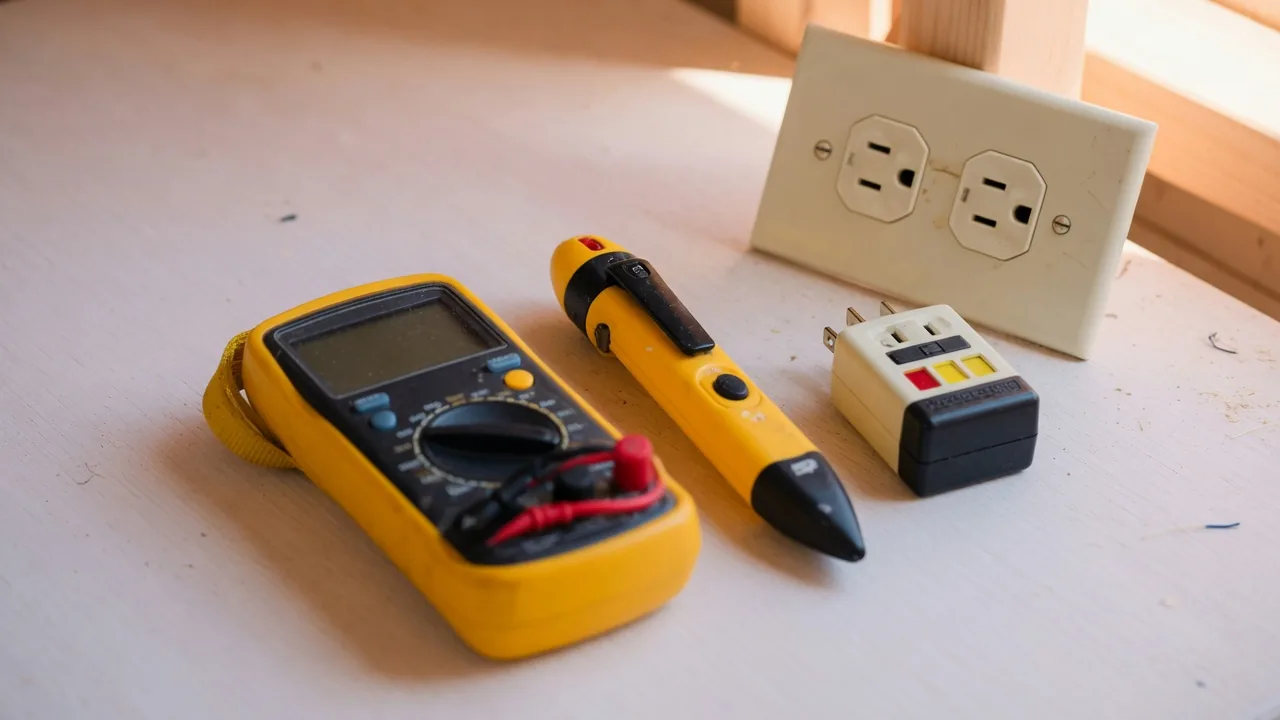
They will walk room to room with a plug-in tester. This checks for reversed wiring and loose tension. If you plug a cord into the wall and it immediately sags or falls out, the metal contacts inside are worn out. That causes arcing, and arcing causes fires.
Smoke and Carbon Monoxide Detectors
Finally, they check the hardwired safety detectors on your ceilings. These units actually expire after about ten years. The inspector makes sure they communicate with each other so that if smoke hits the basement, the alarm in your master bedroom goes off.
How Much Does an Electrical Inspection Cost?
You can expect to pay anywhere from $150 to $400. The final price tag depends heavily on the square footage of your property and how hard it is to access your wiring.
If the guy has to belly-crawl through a dusty, low-clearance crawlspace to trace out a faulty circuit, he is going to charge more for his time. Always ask for a flat-rate quote over the phone before they start working.
| Inspection Type | Average Cost Range | Typical Duration |
|---|---|---|
| Routine Safety Check | $150 – $250 | 1 to 2 Hours |
| Real Estate Transaction | $200 – $400 | 2 to 3 Hours |
| Post-Renovation Code | $100 – $200 | 1 Hour |
Why Trust Sperry Electric LLC for Your Inspection Needs
We have spent years pulling wire, fixing botched DIY jobs, and upgrading panels across this community. The team at Sperry Electric LLC has genuinely seen it all.
Every inspection we do is handled by a fully licensed, insured, and highly trained professional. We know the current building codes inside and out, but we also know the weird, historical quirks common in the older neighborhoods around town.
We don't do scare tactics, and we won't hand you a stack of confusing paperwork. We walk you through the house, point out exactly what we found, and explain it in plain English. We will tell you exactly what is an immediate safety hazard and what can safely wait until next year. With Sperry Electric LLC, you get straight answers and real peace of mind.
Frequently Asked Questions
How long does an electrical inspection take?
For a standard three-bedroom house, expect the electrician to be there for about one to two hours. If you own a large property or a very old home with complicated, outdated wiring, it could easily take up to four hours.
Can I perform my own electrical inspection?
Absolutely not. Watching a few videos online does not give you the training to spot microscopic arcing or proper panel bonding. Touching the wrong lug inside a live panel can be fatal. Leave this strictly to the licensed professionals.
What happens if my house fails an electrical inspection?
Nobody is going to condemn your house or kick you out. "Failing" just means the electrician found code violations or worn-out parts. They will hand you a prioritized list of repairs. You fix the major hazards first to get the house back up to modern safety standards.
Will the electrician fix the problems during the inspection?
Usually, they won't. This is a diagnostic visit. If they spot a loose wire on a single outlet, they might just tighten it up right then and there. But if they find a burnt-out breaker or ungrounded circuits, they will need to write up an estimate and schedule a dedicated repair visit.
How often should I get my home's wiring checked?
If your house was built in the last twenty years, getting it checked once a decade is usually fine. But if you live in a property that is over twenty-five years old, you should really have a pro look at the panel and outlets every five years.
Do I need an electrical inspection before buying a home?
Yes, absolutely. A standard real estate walkthrough only looks at surface cosmetics. A dedicated electrical check ensures you aren't inheriting expensive, hidden dangers like ungrounded wiring, outdated panels, or DIY hazards that could cost you thousands right after closing.
Will an electrical inspector punch holes in my drywall?
Rarely. Professional inspections are primarily non-invasive. Electricians use specialized tools like thermal imaging cameras, circuit tracers, and panel multimeters to evaluate your system's health without tearing up your walls. They only recommend opening drywall if they find definitive evidence of hidden damage.
Are electrical inspections required by law?
Usually, they are not legally mandated for everyday living unless you are undertaking major renovations that require local permits. However, they are frequently required by insurance companies if you are insuring an older home, or by lenders during a real estate sale.
What are the most common problems found during an inspection?
The most frequent issues we see include outdated fuse boxes, overloaded circuits, missing ground fault protection near water sources, and loose wire connections inside junction boxes. Many homeowners are also surprised to learn their older aluminum wiring needs specialized connectors.
Do I need to turn off my power or appliances before the inspector arrives?
No, let things function as normal. In reality, electricians like to see the house working under a normal daily load, so they can accurately verify the operation of the circuits when appliances, HVAC units and electronics are actively pulling electricity.
Conclusion
Between home offices, big appliances, and endless chargers, the power draw never stops. Making sure your system can handle that daily grind safely is just part of being a responsible homeowner.
You should never gamble with fire hazards. If you are resetting breakers every week, watching your lights flicker, or just feeling uneasy about the old outlets in your guest room, take care of it now. Proactive maintenance is always cheaper than a disaster.
Ready to figure out what is really going on behind your walls? Don't wait for an emergency to strike. Book your appointment with Sperry Electric LLC today and get your home checked out by the pros.
Keep reading
- Energy Efficient Electrical Upgrades That Pay for Themselves in Northern NJStop throwing money away on outdated wiring. Our pros provide energy efficient electrical services NJ locals use to slash utility bills. Call us to save now.
- Landscape & Hardscape Electrical Planning: Transforming Your NJ Backyard from “Nice” to “Knockout”Create the perfect oasis with expert outdoor living wiring NJ residents rely on. Avoid tearing up new stone by planning your power first. Book a consult now.
- Emergency Electrical Repairs: What to Do When Power Goes Out in Northern NJPower outage in Northern NJ? Learn what to do during electrical emergencies, safety steps to take, and when to call a licensed emergency electrician.
Electrical services in Northern New Jersey
Need an electrician?
Tell us what is going on and we will get back to you promptly with clear next steps and honest pricing.