Is Your Outage Safe? Emergency Electrician NJ Guide
If you’ve lived in Northern New Jersey for as long as we have, you know the drill. The wind picks up, the sky turns that bruised purple color over the Watchung Mountains, and click, the house goes silent.
It happens. Whether it’s a summer thunderstorm rolling through Morris County or one of those heavy, wet snows that snaps tree branches in Sussex like matchsticks, power outages are just part of life here. But in our 20 years as an electrician serving this community, we’ve noticed that while everyone knows how to find a flashlight, not everyone knows when an outage is a simple inconvenience and when it’s a serious electrical emergency.
We’ve stood in too many flooded basements and smoked-out utility rooms to let our neighbors guess their way through this. So, let’s talk (electrician to homeowner) about what you actually need to do when the lights go out, how to troubleshoot the problem yourself, and when you need to pick up the phone and call a pro.
Step 1: The "Is It Just Me?" Check
Before you panic or start lighting candles, you need to figure out the scope of the problem. We can’t tell you how many emergency calls we’ve taken at 2 AM where the issue wasn’t the power grid, but a tripped main breaker because someone tried to run a space heater and a hair dryer on the same circuit.
Look at the neighbors. This is the oldest trick in the book, but it works. If the streetlights are out and the houses across the street are dark, you’re dealing with a utility outage. Sit tight, we’ll get to that in a minute.
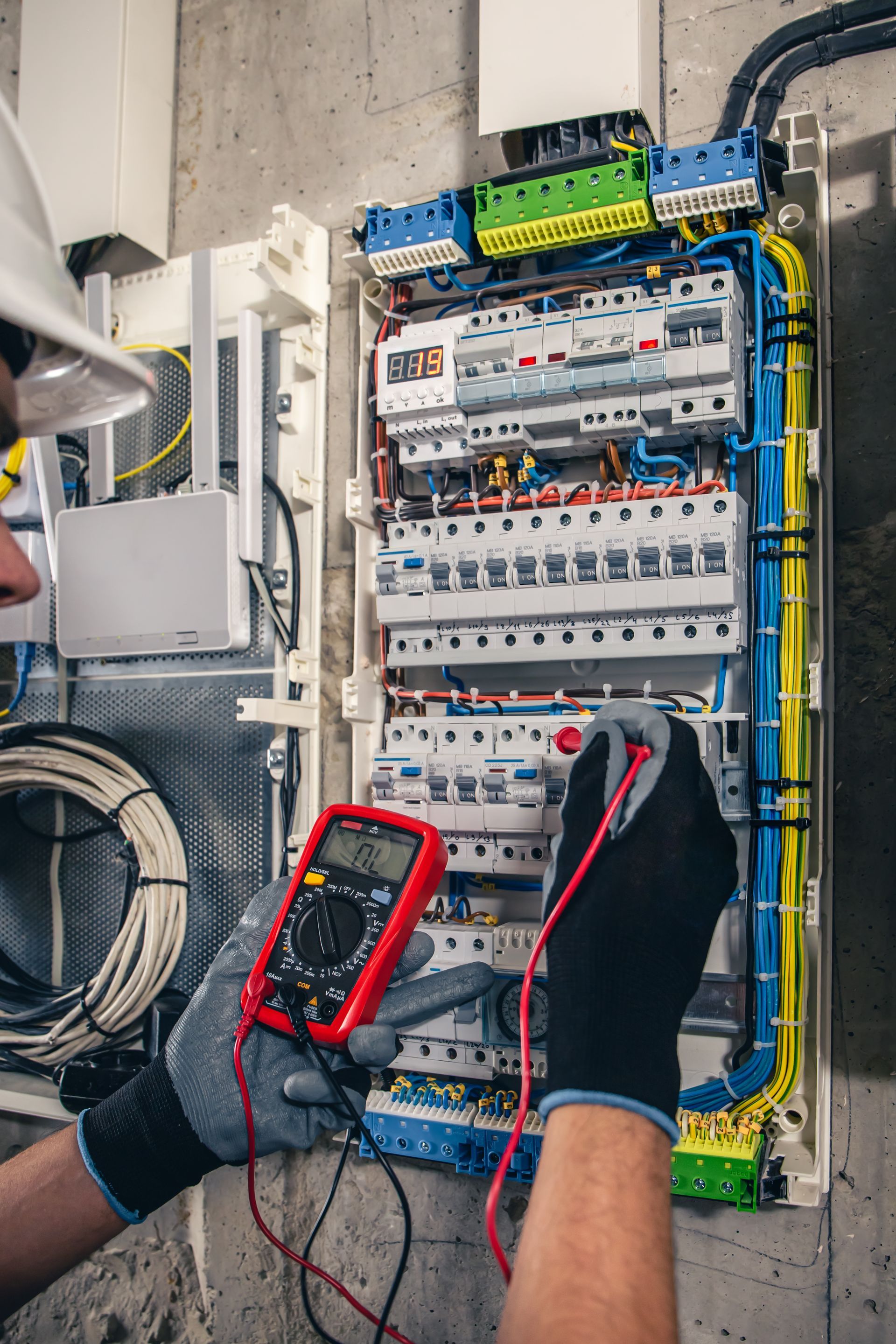
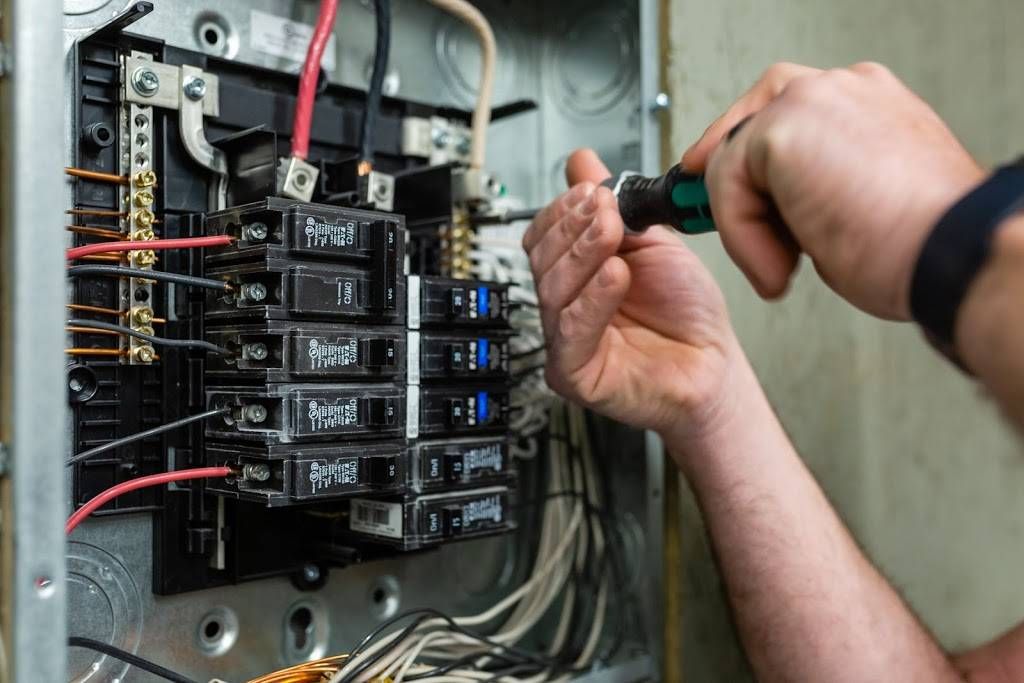
Check your Main Breaker. If the neighbors have power but you don’t, your home’s electrical system has likely tripped to protect itself. Grab a flashlight (not a candle, we’ve seen fires start that way) and head to your panel. You’re looking for the big switch at the top or bottom labeled as "MAIN."
● If it’s in the middle position: It tripped. Push it all the way to "OFF," then firmly back to "ON."
● If it buzzes or won’t stay on: STOP. Do not try to force it. This is a red flag that you have a major fault somewhere in your wiring, and forcing it could damage your panel or start a fire. This is exactly the moment to call an emergency electrician in NJ.
Step 2: Knowing Who to Call (It’s Not Always Us)
If the whole block is dark, your first call isn’t to Sperry Electric, it’s to your utility provider. We know it’s frustrating to sit on hold, but they are the only ones allowed to touch the lines on the telephone poles.
In our part of Jersey, it can get confusing because the service lines zig-zag across county borders. Here is the breakdown we keep in our truck:
● JCP&L (Jersey Central Power & Light): They cover a huge chunk of our service area, including most of Morris, Sussex, and Warren counties. If you see a tree on a line in these woodsier areas, it’s usually their crew you’re waiting for.
● PSE&G: You’ll likely have them if you’re closer to the city, parts of Essex, Passaic, and Bergen counties.
● Rockland Electric: They handle the northern tier of Bergen and Passaic counties, right up against the NY border.
Pro Tip: Download their apps before the storm hits. Reporting an outage on an app takes 30 seconds, waiting on the phone during a nor’easter can take an hour.
Step 3: The Danger Zone (What Not to Do)
While you’re waiting for the utility trucks to roll, you need to keep your home safe. This is where we see good intentions go wrong.
Don’t be a Backfeed Hero. We cannot stress this enough: Never plug a portable generator directly into a wall outlet (we call it "suicide cord" wiring for a reason). It sends electricity backwards through your house and out onto the power lines. We have friends who work as linemen for JCP&L, and backfeeding can kill them while they are working to restore your power. If you want to use a generator to power your furnace or whole house, you need a proper transfer switch installed. It’s not just code, it’s a matter of life and death.
Unplug the Expensive Stuff. When power comes back on, it often doesn’t come back smoothly. It can surge, spike, and flicker. That surge can fry the sensitive circuit boards in your refrigerator, microwave, and smart TV. We always tell our clients: if the power dies, unplug the big appliances. Leave one lamp switched on so you know when the electricity is back.
Step 4: Troubleshooting After the Power Returns
Okay, the utility company says the power is back. The neighbors’ lights are on. But you’re still in the dark, or maybe only half your house has power.
This is a classic lost phase situation, and it’s something we specialize in fixing.
The power coming into your home consists of two 120-volt "legs." Sometimes, a storm can damage just one of those legs coming from the street. The result? Your oven clock works, but the dryer won’t heat up. The hallway lights are dim, but the bedroom lights are blindingly bright.
If you notice this, turn off your main breaker immediately. Running your home on half power can destroy 240-volt appliances like your AC condenser, well pump, and refrigerator motor. This is a legitimate power outage troubleshooting NJ scenario where you need a licensed electrician to inspect the meter pan and riser.
Step 5: When to Call Sperry Electric for 24/7 Electrical Repair
Look, we’re homeowners too. We know nobody wants to pay for an emergency service call if they don’t have to. But there are specific signs that your outage isn’t just bad luck, it’s a warning.
Call us immediately if:
1. You smell burning plastic or fish. That fishy smell is actually overheating Bakelite insulation in your electrical panel or outlets. It means something is melting right now.
2. You see scorch marks on your meter. If lightning struck nearby, it might have jumped to your meter pan. Even if the power is on, the internal jaws could be welded together or damaged, creating a fire hazard.
3. The Master Breaker keeps tripping. As we mentioned earlier, a breaker that won’t reset is doing its job. It’s protecting you from a short circuit. We have the tools to trace that fault whether it’s a mouse that chewed a wire in the attic (happens more than you think in Sussex County) or a water damaged outlet in the basement.
4. Your Generator Transfer Switch Failed. If you have a standby generator that didn’t kick on, or worse, won’t turn off, now that utility power is back, don’t mess with it. High voltage switching gear is dangerous. We can troubleshoot the automatic transfer switch (ATS) safely.
The Jersey Weather Factor
We live in a unique spot. We get the coastal winds, the mountain ice, and the humid summer thunderstorms. Our electrical infrastructure takes a beating.
After Hurricane Isaias and Superstorm Sandy, we saw hundreds of homes where the "mast" (that pipe going up the side of your house where the wires connect) was pulled away from the siding by a fallen tree branch.
Here is the kicker: The utility company does not fix the mast. They will come out, look at it, and tell you they can’t hook up power until an electrician fixes the attachment point. We've seen homeowners wait days for power, only to be told they need to hire an electrician before JCP&L will reconnect them.
If you see your service mast is bent, pulled away from the house, or the meter pan is ripped loose, call us before the utility truck arrives. We can get the repair done and certified so that when the utility crew finally gets to your street, they can hook you up immediately.
A Personal Note on Preparedness
In 20 years, the biggest difference we see between a minor annoyance and a major disaster is preparation. You don’t need a bunker, but you do need a plan.
● Know where your panel is. Don’t wait until it’s pitch black to clear the boxes in front of it.
● Test your GFCI outlets. Power surges often trip these first. If your power comes back but the kitchen outlets are dead, push the "RESET" button on the outlet before you call us. You might save yourself the service fee.
● Consider a Whole Home Surge Protector. With the amount of electronics we have in our homes now (from smart fridges to EV chargers) the grid in NJ is just too "noisy" to leave them unprotected. A panel-mounted surge protector is one of the cheapest insurance policies you can buy for your home.
We’re Here When You Need Us
At Sperry Electric, we aren’t a franchise with a call center in another state. We are local. We drive the same roads you do (and dodge the same potholes on Route 80). When you call us for 24/7 electrical repair in NJ, you’re getting a neighbor who understands exactly what these old colonial homes and new buildings need.
If the power goes out and something doesn’t feel right, smells, sounds, or just that gut feeling, don’t hesitate. Electricity isn’t a hobby, it’s a force of nature. Let us handle the dangerous stuff so you can get back to keeping your family warm and safe.
Stay safe out there in Jersey.
Need emergency help? Don’t guess. Call Sperry Electric LLC. We serve Morris, Sussex, Passaic, Essex, and Warren counties with pride.
Phone: 973-370-0933