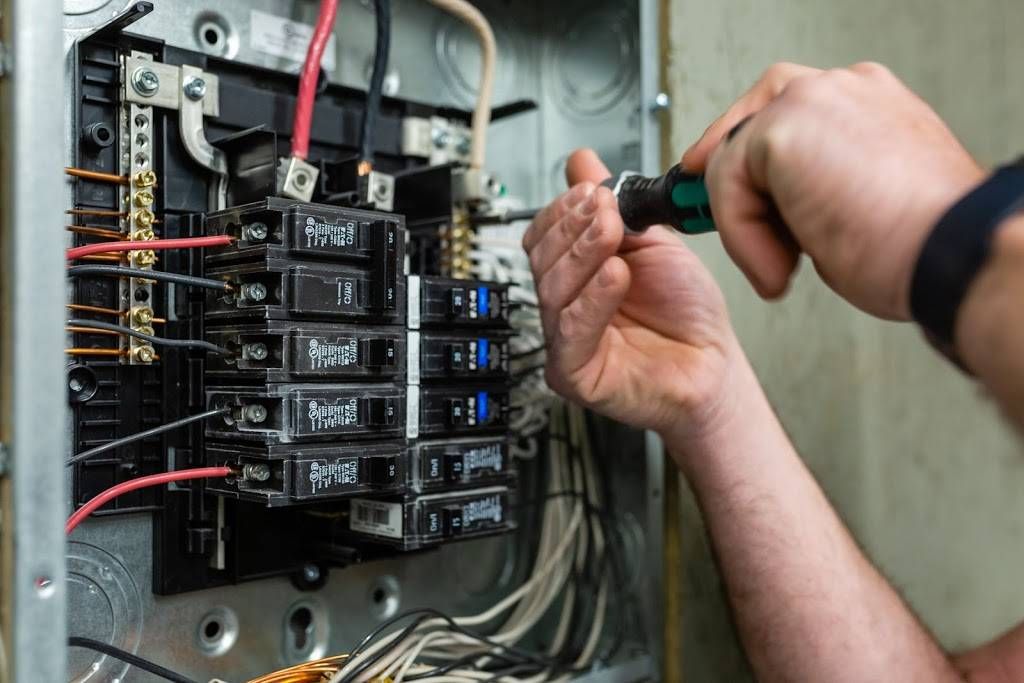
Owning or managing a commercial property in New Jersey comes with a heavy set of
responsibilities that often feel never-ending. Between managing staff, handling tenant requests, and keeping an eye on the bottom line, the electrical system usually takes a backseat. We assume that as long as the lights turn on, everything behind the walls is functioning exactly as it should be.
However, commercial electrical systems are significantly more complex and under much higher stress than residential ones. They power heavy-duty HVAC units, specialized machinery, and massive server rooms that operate twenty-four hours a day. When things start to go wrong, the building doesn't usually go dark immediately; instead, it gives off subtle signals that a failure is brewing.
Ignoring these early indicators is a gamble that no business owner can afford to take in today's economy. A sudden electrical fire or a total power surge can wipe out expensive inventory and halt your operations for weeks. If you learn to detect these seven warning signs, you can stay ahead of the game and keep your workplace safe and functioning smoothly.
1. Frequent and Persistent Circuit Breaker Trips
We have all dealt with a tripped breaker at some point, usually after someone plugs in a high-powered heater or a heavy-duty vacuum. In a commercial setting, these breakers are your first line of defense against an electrical overload. They are designed to "snap" shut the moment the current exceeds what the wires can safely carry, preventing a fire before it starts.
The problem arises when you find yourself or your maintenance crew heading to the electrical closet multiple times a week to flip switches. If a breaker trips repeatedly without a clear cause, it means the circuit is consistently overtaxed. This is a clear signal that your modern business needs have outpaced your building’s electrical capacity.
When you keep resetting a breaker that wants to stay off, you are forcing electricity through a system that is literally screaming for help. This constant stress generates intense heat inside your walls, which slowly degrades the wire insulation. Eventually, that heat can lead to a short circuit or a catastrophic failure that a simple flip of a switch won't fix.
2. Flickering, Dimming, or Humming Light Fixtures
In a professional environment, lighting needs to be rock-solid to ensure your team can work effectively and safely. If you notice that your lights dim or flicker every time the air conditioning kicks on, your system is struggling with "voltage drop." This happens when a heavy appliance pulls so much power that there isn't enough left for the rest of the building.
Common Culprits for Unstable Lighting:
○ Overloaded circuits that were never intended to support industrial equipment.
○ Corroded or loose neutral connections that are hard to see deep inside the ceiling grid.
○ Old fluorescent lights that are failing because they have magnetic ballasts that are no longer working.
○ An undersized main service panel that can't handle the building's peak load.
This isn't just a minor visual annoyance for your employees; it is a symptom of a much larger distribution problem. These power fluctuations are incredibly hard on sensitive electronics like computers, printers, and specialized laboratory tools. Over time, "dirty power" can fry internal circuits, leading to thousands of dollars in equipment replacement costs that could have been avoided.
3. Discolored Outlets and Unexplained Burning Smells
This is the one warning sign that should never, under any circumstances, be ignored for even a single hour. If you walk past an outlet and notice a brown or black scorch mark, or if the plastic looks like it is slightly warped, you have an active hazard. This discoloration is caused by "arcing," which happens when electricity jumps through the air because of a poor connection.
You might also notice a weird fragrance that a lot of people say smells like "fishy," "metallic," or "burning plastic." This stench is actually the smell of plastic and wire insulation melting when the temperature becomes too high. Because these smells often drift through the HVAC vents, it can be difficult to pin down the exact source without a professional inspection.
If an outlet or a switch plate feels hot to the touch, it is an emergency waiting to happen. At this stage, a commercial electrical repair is the only way to ensure the building doesn't catch fire overnight. You should immediately de-energize that circuit and call in a licensed team to open the walls and replace the compromised wiring and devices.
4. Buzzing or Sizzling Noises Within the Walls
Electricity is designed to flow silently through copper and aluminum conductors. If you start hearing a buzzing, sizzling, or cracking sound near your switches or breaker boxes, something is physically wrong. These noises are usually the sound of "mini-arcs" occurring because a wire has come loose from its terminal or has been damaged.
In many New Jersey warehouses and industrial parks, the constant vibration from heavy machinery or nearby traffic can cause screws to loosen over decades. When a connection is loose, the electricity has to "fight" to bridge the gap, which creates the sound and a massive amount of heat. It is a physical breakdown of the system that requires a hands-on repair.
5. Frayed Wires and Evidence of Pest Damage
It is easy to forget about the miles of wiring hidden in your utility rooms, crawl spaces, and dropped ceilings. However, the physical state of this wiring tells the real story of your building’s safety. As time goes on, old insulation gets brittle and might break off the wire, leaving bare copper exposed to the air and any other metal nearby.
Signs of Physical Infrastructure Decay:
○"Nesting" materials found near electrical panels, indicating rodent activity.
○Cables in warehouses or storage areas have frayed or chewed outer jackets.
○Rust and corrosion on metal conduits, which are frequently caused by water leaks that aren't obvious.
○Improper "DIY" wiring additions that don't meet current NEC safety codes.
Rodents are a particular nightmare for commercial buildings because they love the taste of modern wire insulation. Once they chew through the protective layer, the risk of a short circuit increases exponentially. If you see any evidence of pests in your facility, you should assume they have also been damaging your electrical system and schedule a thorough safety walk-through.
6. Sparking When Plugging in Equipment
We have all seen a tiny, harmless spark when plugging in a lamp, but a commercial-grade spark is a different beast entirely. If you see a bright flash or hear a loud "pop" when you flip a light switch or plug in a computer, the device is failing. This level of sparking indicates that the internal contacts are worn out or that there is a short to the ground.
This is a massive safety concern for your staff, as these sparks can cause painful shocks or even secondary burns. In environments where chemicals, wood dust, or flammable vapors are present, a single spark can lead to an explosion. It is far cheaper to replace a faulty $20 industrial outlet now than it is to deal with a workplace injury claim later.
Proper electrical maintenance for businesses involves checking these high-traffic points of contact regularly. If an outlet feels loose when you plug something in or if the prongs don't stay seated firmly, the internal springs have failed. Modern commercial outlets are built tough, but they aren't invincible, especially in high-use areas like breakrooms or shipping docks.
7. Unexpected Spikes in Monthly Energy Costs
Sometimes the most effective warning sign doesn't come from a smell or a sound, but from your accounting department. If your monthly utility bills are creeping up significantly, but your production hasn't increased, your electrical system is likely leaking money. Inefficient systems draw more current than necessary to do the same amount of work, which shows up directly on your bill.
Old motors, failing ballasts, and even corroded wiring can create high resistance, which turns expensive electricity into wasted heat. In the USA, and particularly in the Northeast, where rates are high, an inefficient system is a drain on your profitability. Investing in modern infrastructure is often one of the fastest ways to lower your overhead and improve your bottom line.
A commercial wiring repair NJ specialist can perform a load analysis to see exactly where your power is going. Often, they find that a few simple upgrades or repairs to overloaded circuits can drop your energy consumption by a noticeable percentage. It turns a safety concern into a smart financial move that pays for itself over the coming months.
Ensuring Your Business Stays Powered and Protected
Managing a business means knowing when to call in the pros before a small glitch turns into a total nightmare. When you keep a sharp eye—and ear—on these seven red flags, you aren't just checking a box; you’re protecting your staff, your equipment, and your own peace of mind. Taking a proactive stance on your electrical health is always going to be cheaper than scrambling for reactive repairs after a system-wide meltdown.
Don’t let hidden wiring issues put your company’s future at risk. If you’ve been dealing with flickering lights, weird smells, or buzzing sounds in your facility, the crew at Sperry Electric LLC is ready to jump in. We provide the kind of hands-on inspections and honest repairs that New Jersey business owners actually rely on.
At the end of the day, your building’s safety comes down to how well you maintain that power supply. If you've seen outlets getting warm or your utility bills creeping up for no reason, don't just sit around waiting for a blackout. Reach out to Sperry Electric LLC at https://www.sperryelectricnj.com/ today for a real-world safety check. We’re experts at finding those "invisible" problems so your business stays powered up and running at peak performance. Let's talk about your maintenance needs and make sure your building is as solid as it can be.